
Diabetes Drugs and Your Brain: What You Need to Know
The Brain-Diabetes Connection: More Than Just Sugar
For years, the primary focus of diabetes management has been on regulating blood glucose levels. While this remains crucial for preventing long-term complications like nerve damage, kidney disease, and cardiovascular issues, a growing body of scientific evidence is highlighting another critical area: the brain. It's increasingly clear that diabetes and its treatment can have profound effects on cognitive function, memory, and even mood. This understanding is opening up exciting new avenues in how we approach diabetes care, with some medications showing promise for neuroprotection.
The relationship between diabetes and the brain is complex and bidirectional. High blood sugar levels over time can damage blood vessels, including those supplying the brain, leading to an increased risk of stroke and vascular dementia. Furthermore, insulin resistance, a hallmark of type 2 diabetes, can also affect brain cells, which rely on insulin for energy and function. This can manifest as cognitive decline, problems with memory and concentration, and an elevated risk of developing Alzheimer's disease. Conversely, factors like stress and poor sleep, which can be exacerbated by poorly managed diabetes, can further impact brain health.
Historically, diabetes medications were solely evaluated on their efficacy in lowering blood sugar. However, as our understanding of the brain's intricate role in overall health deepens, researchers are now investigating the broader systemic effects of these drugs. This includes exploring whether they can offer protective benefits for the brain, potentially slowing down cognitive decline or even improving cognitive function in individuals with and without diabetes.

GLP-1 Receptor Agonists: Beyond Blood Sugar
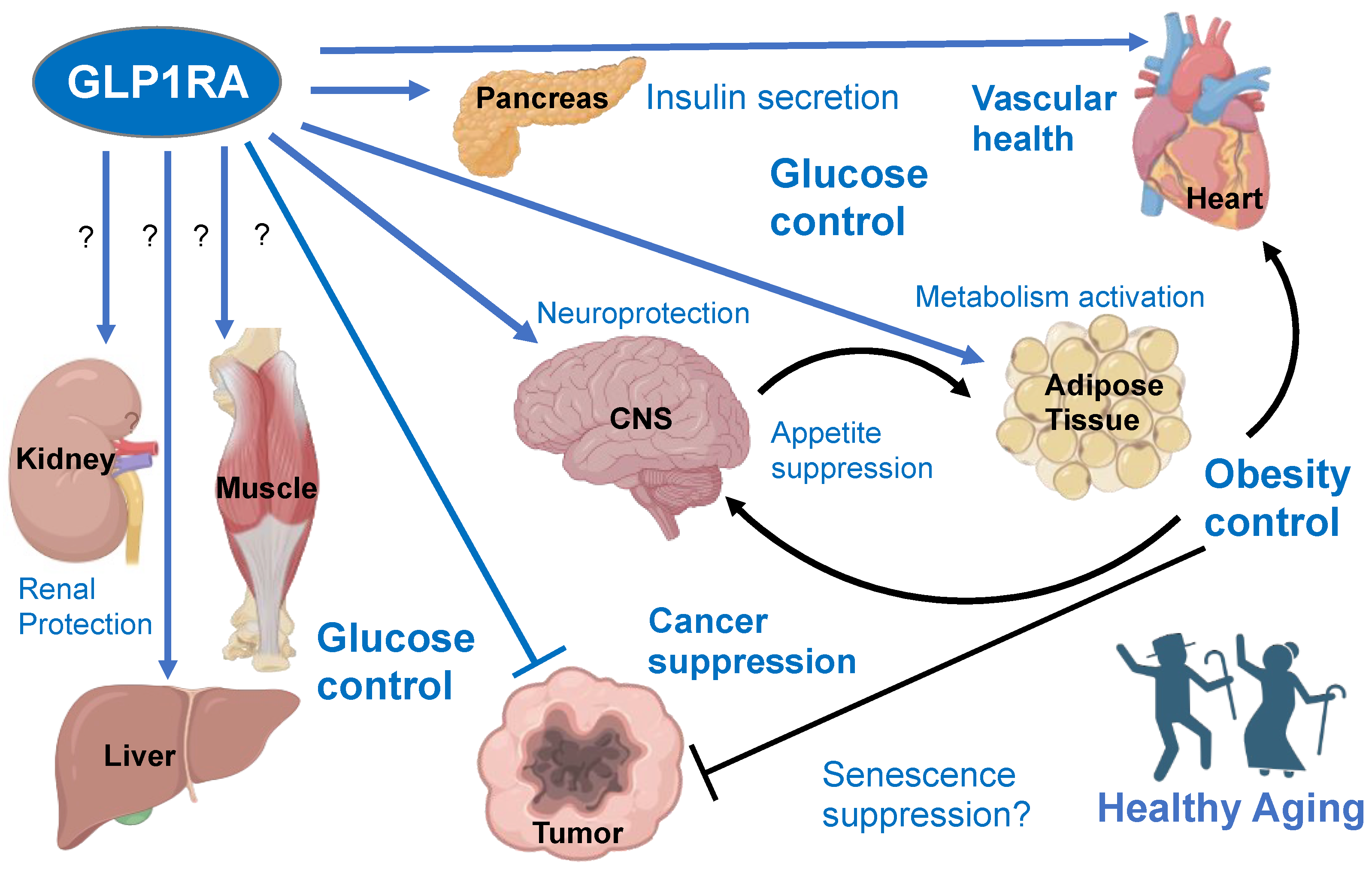
One class of diabetes medications that has garnered significant attention for its potential brain benefits is the GLP-1 receptor agonists. Drugs like liraglutide, semaglutide, and exenatide mimic the action of a natural hormone called glucagon-like peptide-1 (GLP-1). This hormone plays a key role in regulating blood sugar by stimulating insulin release and suppressing glucagon secretion. However, GLP-1 receptors are not only found in the pancreas; they are also present in the brain.
Research suggests that GLP-1 receptor agonists can exert neuroprotective effects through several mechanisms. Firstly, by improving glycemic control, they help to reduce the damaging effects of high blood sugar on brain vasculature. Secondly, studies in animal models and early human trials indicate that these drugs may reduce neuroinflammation, a process implicated in the development of neurodegenerative diseases. They might also promote the growth of new neurons and synapses, a process known as neurogenesis, and protect existing brain cells from damage.
Some clinical trials have started to explore the cognitive outcomes associated with GLP-1 receptor agonist use. While more large-scale, long-term studies are needed, preliminary findings are encouraging. Patients taking these medications have, in some instances, shown improvements in memory, executive function, and overall cognitive performance. This suggests that these drugs could offer a dual benefit: managing diabetes effectively while also contributing to brain health and potentially reducing the risk of cognitive impairment.
Metformin: A Long-Standing Drug with New Insights
Metformin, a first-line treatment for type 2 diabetes for decades, is another medication that is being re-examined for its potential impact on the brain. While its primary mechanism of action involves reducing glucose production by the liver and improving insulin sensitivity, there's growing interest in its effects beyond glucose metabolism.
Emerging research suggests that metformin may also possess neuroprotective properties. One proposed mechanism involves its influence on cellular energy pathways. Metformin activates AMP-activated protein kinase (AMPK), an enzyme that plays a crucial role in cellular energy homeostasis. This activation might help protect neurons from metabolic stress and damage. Additionally, some studies suggest that metformin may have anti-inflammatory effects in the brain and could even influence the gut-brain axis, a communication network between the digestive system and the brain that is increasingly recognized for its role in neurological health.
While the evidence is still developing, some observational studies have indicated a potential association between metformin use and a reduced risk of cognitive decline or dementia. However, it's important to note that these studies often have limitations, and more rigorous clinical trials are required to confirm these findings. Nevertheless, the ongoing investigation into metformin's broader effects adds another layer of complexity and potential benefit to this widely prescribed medication.

Implications for Patients and Future Directions
The growing understanding of how diabetes medications can impact brain health has significant implications for individuals living with diabetes and for healthcare providers. It underscores the importance of a holistic approach to diabetes management that considers not only blood sugar control but also the long-term well-being of the brain.
For patients, this means engaging in open conversations with their doctors about their current medications and any concerns they might have about cognitive function. It's crucial to remember that any medication changes should only be made under the guidance of a healthcare professional. Lifestyle factors remain paramount: a balanced diet, regular physical activity, adequate sleep, and stress management are all vital for both diabetes control and brain health.
Looking ahead, researchers are actively exploring new drug targets and therapeutic strategies to protect the brain in individuals with diabetes. This includes further investigating the neuroprotective potential of existing diabetes medications and developing novel agents that specifically target brain health. As our knowledge expands, we can anticipate more personalized and comprehensive approaches to managing diabetes, aiming to improve not just longevity but also cognitive vitality throughout life. The journey to understanding the intricate interplay between diabetes and the brain is ongoing, promising exciting advancements for the future of health.
Frequently Asked Questions
Is this guide beginner friendly?
Yes. This tutorial is written step-by-step for beginners.
Does this work in 2026?
Yes. This article is updated regularly with latest changes.
Where can I learn more?
Browse more tutorials on LoopGuy.





Comments (0)
No comments yet. Be the first to comment!
Leave a Comment