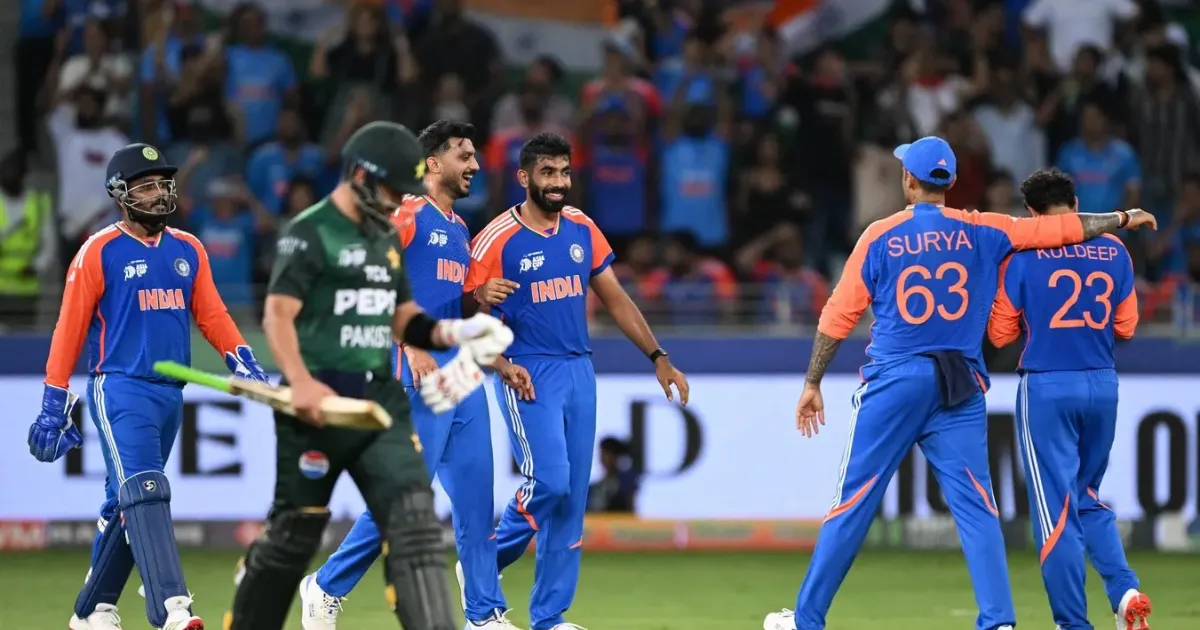
India vs. Pakistan T20 World Cup Showdown: Tech on pitch
The Digital Battlefield: Where Tech Meets Cricket Rivalry
The ICC T20 World Cup, especially the electrifying clash between arch-rivals India and Pakistan, is more than just a sporting event; it's a global spectacle. Behind the roar of the crowd and the brilliance of the players, a sophisticated ecosystem of technology is at play, silently orchestrating the smooth running of the tournament and enriching the experience for everyone involved. From the hallowed turf to the digital screens in our homes, innovation is transforming how cricket is played, analyzed, and consumed.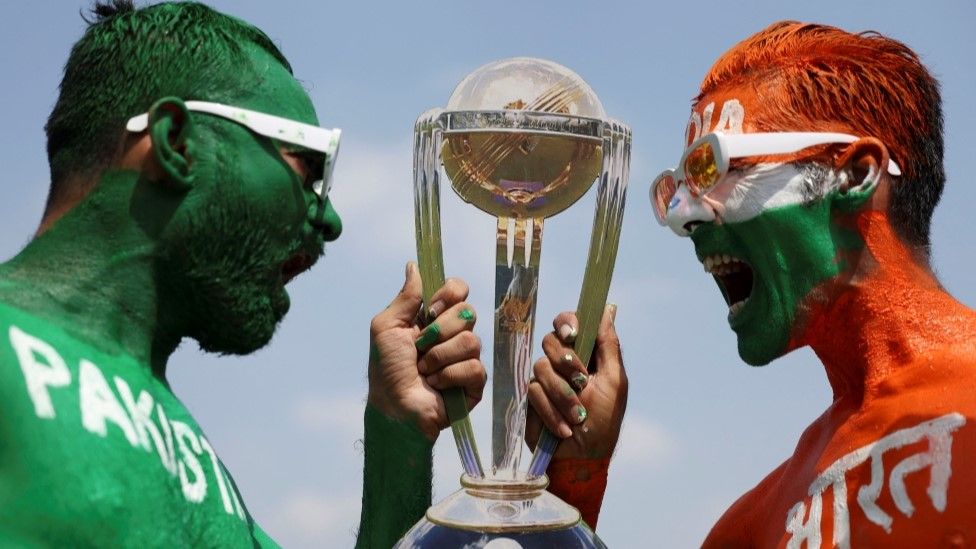
Player Performance: Data-Driven Dominance
In the hyper-competitive world of T20 cricket, even the smallest edge can make a significant difference. Modern cricket teams, including those from India and Pakistan, heavily rely on advanced technology to gain insights into player performance and optimize strategies. This begins with sophisticated tracking systems installed at stadiums. High-speed cameras, often positioned at multiple angles, capture every movement of the players, the ball, and even the fielders. This data is then fed into powerful analytics software.
These systems can track metrics such as:
- Ball Speed and Trajectory: Analyzing the exact speed of a delivery, its swing, seam movement, and bounce helps bowlers refine their techniques and batsmen understand threats better. Hawkeye, a well-known ball-tracking technology, provides incredibly precise data on the ball's path, crucial for LBW decisions and understanding bowling variations.
- Player Movement and Positioning: GPS trackers and optical tracking systems monitor how players move on the field, their sprint speeds, acceleration, and deceleration. This data helps coaches understand player fatigue, optimize fielding positions, and identify areas for improvement in agility and stamina.
- Batting Analysis: For batsmen, technology can measure bat speed, the point of impact on the ball, and the power generated. This allows for fine-tuning of stroke play and identifying optimal shot selection against different bowlers.
- Biomechanical Analysis: Advanced sensors and motion capture technology can analyze a bowler's action or a batsman's swing to identify inefficiencies or potential injury risks. This data-driven approach to biomechanics is revolutionizing injury prevention and rehabilitation.
These insights are invaluable for coaches and analysts, allowing them to develop personalized training plans, identify opposition weaknesses, and formulate match-winning strategies. The era of relying solely on gut feeling is long gone; data analytics now forms the backbone of modern cricket preparation.
Umpiring and Decision Making: The Tech-Assisted Umpire
The pressure on umpires in an India vs. Pakistan encounter is immense. Technology plays a vital role in ensuring fair and accurate decision-making, reducing controversy, and maintaining the flow of the game. Several technologies are integrated into the umpiring process:
- DRS (Decision Review System): This is perhaps the most visible technological intervention in modern cricket. DRS utilizes a combination of technologies:
- Ball Tracking: As mentioned earlier, this system predicts the path of the ball and whether it would have hit the stumps.
- Hot Spot: Infrared cameras detect the heat generated by the impact of the ball on the bat or pad, helping umpires differentiate between bat-on-ball contact and pad-on-ball.
- Ultra-Edge (Snicko): Microphones placed around the boundary line pick up faint sounds of the ball hitting the bat or pad, aiding in edge detection.
- Third Umpire Technology: For close run-outs, catches, or boundaries, the third umpire uses high-definition cameras, slow-motion replays, and zoom capabilities to make definitive calls, ensuring that crucial decisions are not missed.
- Boundary Rope Sensors: In some modern stadiums, sensors embedded in the boundary rope can help determine if a batsman has crossed the rope for a boundary or if a fielder has touched the rope while fielding the ball.
While the human element of umpiring remains, these technological aids provide a crucial second opinion, leading to more consistent and justifiable outcomes on the field.
Broadcasting and Fan Experience: Bringing the Game Closer
The technological advancements extend far beyond the players and umpires, significantly enhancing the viewing experience for millions of fans worldwide. Broadcasters employ a suite of technologies to deliver a compelling and immersive broadcast:
- High-Definition (HD) and 4K Broadcasting: The crisp clarity of HD and 4K ensures that viewers don't miss any of the on-field action, from the subtle swing of a seam to the intensity on a player's face.

- Multiple Camera Angles and Drone Cameras: A plethora of cameras, including those mounted on drones, offer unique perspectives, from overhead shots showcasing the entire field to close-ups of critical moments. This dynamic camera work keeps the viewer engaged.

- Augmented Reality (AR) and Virtual Reality (VR): While still evolving, AR overlays information like player statistics, ball trajectory, and pitch conditions directly onto the broadcast feed. VR offers the potential for a truly immersive experience, allowing fans to feel like they are in the stadium.
- Super Slow-Motion Replays: These allow viewers to dissect crucial moments – a spectacular catch, a powerful six, or a deceptive googly – in exquisite detail, appreciating the skill involved.
- Social Media Integration and Digital Platforms: The tournament is amplified through social media and dedicated apps, offering live scores, real-time updates, behind-the-scenes content, and interactive polls, creating a connected fan community.
- Fantasy Sports and Gaming: Technology has fueled the growth of fantasy sports leagues, allowing fans to engage with the game on a deeper level by picking their own teams and competing with friends.

These innovations aim to bridge the gap between the spectator and the action, making the T20 World Cup accessible and engaging for a global audience, regardless of their physical location.
The Future of Cricket Tech
The integration of technology in cricket, particularly in high-profile matches like India vs. Pakistan, is an ongoing evolution. We can expect to see even more sophisticated AI-driven analytics, wearable technology for real-time athlete monitoring, and potentially even more immersive fan experiences through VR and AR. As technology continues to advance, it will undoubtedly play an even more integral role in shaping the future of cricket, from grassroots development to the grandest of stages.
The India vs. Pakistan T20 World Cup match is a perfect showcase of how technology is not just a tool but an integral partner in the sport, enhancing performance, ensuring fairness, and captivating audiences worldwide.
Frequently Asked Questions
Is this guide beginner friendly?
Yes. This tutorial is written step-by-step for beginners.
Does this work in 2026?
Yes. This article is updated regularly with latest changes.
Where can I learn more?
Browse more tutorials on LoopGuy.





Comments (1)
Leave a Comment