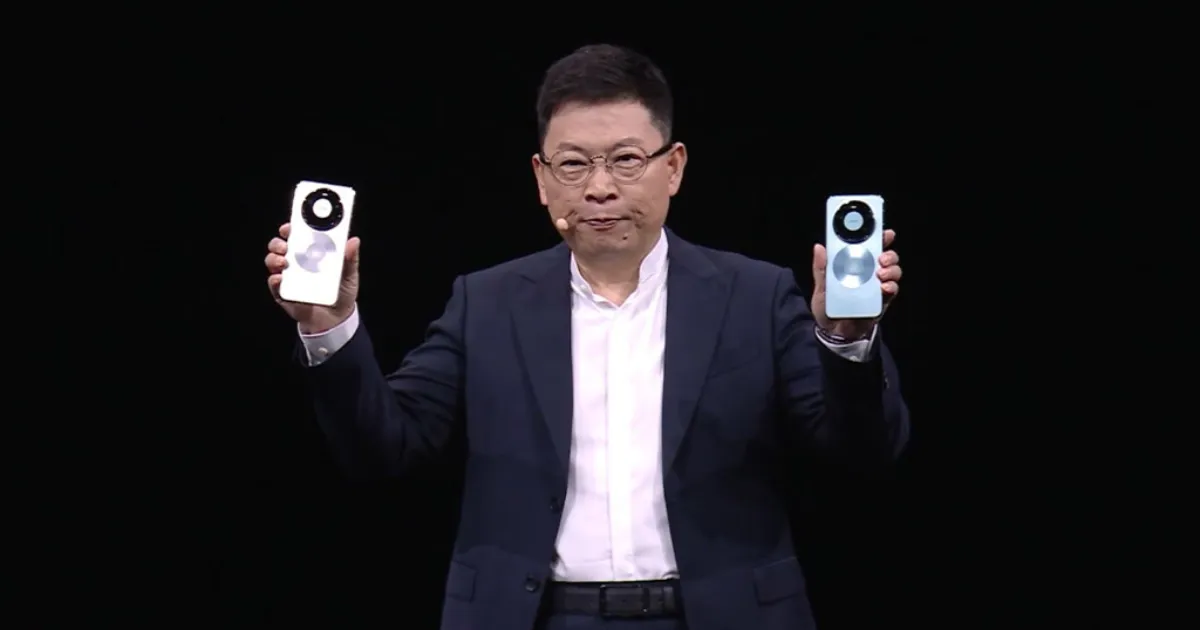
Huawei Mate 80 Series: The Boldest Flagship Upgrade of 2025
Huawei Mate 80 Series: A Bold Leap Into Ultra-Premium Territory
Every year we expect Huawei to break some rules, but the Mate 80 Series feels like the company tore up the entire playbook and started fresh. From the moment the first leaks hit the internet, the buzz around this lineup was loud; after today’s launch, it’s clear the hype wasn’t exaggerated. The Mate 80, Mate 80 Pro, and Mate 80 Ultra are unapologetically ambitious phones—blazing displays, wild camera engineering, oversized memory options, and an increasingly refined HarmonyOS experience.
This is Huawei showing the world that it’s not just participating in the premium smartphone race—it’s steering it.
A Display Designed to Outshine Everything
Here’s the headline spec that made everyone raise an eyebrow:
8000 nits peak brightness. Yes, eight thousand.
That number immediately places the Mate 80 Series in a league of its own. Outdoors, under harsh sunlight, the screen cuts through reflections like a spotlight. Even HDR content benefits—highlights look precise, punchy, and almost three-dimensional. While other manufacturers have been making incremental jumps in brightness, Huawei decided to make a gravitational leap.
All three models feature high-frequency PWM dimming, a wide color gamut, and an adaptive refresh rate that can drop low to preserve battery or ramp up for buttery-smooth animations. The Pro and Ultra models push closer to a "paper-like" visual refinement, something Huawei has been perfecting with each generation.
The Dual-Periscope Camera Setup: Huawei’s Secret Weapon
Huawei has a long history of breaking photographic boundaries, and the Mate 80 Series continues that tradition. The standout feature this year is the dual-periscope camera system, reserved for the higher-end variants. Instead of relying on one long-range telephoto lens, Huawei doubled down—two specialized periscope modules tuned for different zoom ranges.
The result?
-
Clearer long-range zoom without the watercolor smudging seen on typical telephoto lenses
-
A dramatic improvement in mid-range portrait zoom
-
Better stabilization for video when zoomed in
The Ultra variant goes even further with a larger sensor and a custom computational engine. Night mode captures feel closer to what you see with your eyes—not washed out, not overly brightened, just natural and crisp.
It’s clear: Huawei wants photographers to consider the Mate 80 Series as more than a smartphone camera. It wants to challenge entry-level mirrorless kits.
Performance Muscle: Up to 20GB RAM
Android flagships have been creeping toward PC-level memory figures, but Huawei just jumped to the front with a 20GB RAM option on the Mate 80 Ultra. That’s not just bragging rights—HarmonyOS thrives on memory headroom. Multitasking feels fluid, apps stay open longer, and background processes don’t aggressively shut down.
Pair that with Huawei’s latest chipset—built for efficiency, high-speed image processing, and tightly optimized AI tasks—and the performance story becomes even more interesting. Huawei isn’t chasing benchmarks; it’s chasing consistency. And day-to-day usage feels incredibly polished as a result.
Battery and Charging: The All-Day Warrior
Battery life is one of the areas Huawei rarely compromises on, and this year continues the streak. The Mate 80 Series packs large cells across the board, with the Ultra pushing things further with standout capacity and improved thermal control.
Charging tech remains ultra-fast. Huawei’s wired and wireless charging speeds outpace most competitors, and the updated battery management algorithms reduce long-term wear. In simple words: this phone charges fast, stays cool, and drains slowly.
HarmonyOS Experience: Smooth, Cohesive, Mature
HarmonyOS has quietly evolved from an experimental ecosystem to a full-fledged operating platform, and on the Mate 80 Series it finally feels “complete.” The animations are polished, transitions feel alive, and the UI intelligently adapts to what you're doing. Multi-device collaboration—a Huawei specialty—gets even more seamless, especially for those using Huawei laptops, tablets, or earbuds.
And yes, the app ecosystem has expanded a lot. Most daily-use apps have proper, native equivalents now, making the OS feel more global and less like a workaround.
Design: Subtle Luxury Meets Hardware Confidence
The Mate 80 Series doesn’t shout for attention—it earns it quietly. Huawei refreshed its signature circular camera ring, giving it a more sculpted, jewel-like appearance. The body feels lighter even though the materials are more premium. The textured finishes, the soft curves, and the almost edge-to-edge front display create a look that’s modern without appearing experimental.
Every detail feels intentional, from the button placement to the haptic response.
Who Is the Mate 80 Series For?
Huawei didn’t build this series for casual buyers. It built it for:
-
Tech-savvy users who want the most advanced camera system possible
-
Content creators who rely on dependable zoom and night photography
-
Power users who push their phone to the limit
-
Those who want a luxury smartphone with a future-leaning ecosystem
-
Huawei loyalists who want the most complete HarmonyOS experience yet
The Mate 80 Series isn’t just another upgrade—it feels like a statement.
Final Thoughts: A New Benchmark for Premium Phones
The Huawei Mate 80 Series shows what happens when a company refuses to play it safe. This isn’t a phone built from a checklist of specs; it’s a device crafted around ambition. An 8000-nit display, a dual-periscope camera system, 20GB RAM, elite battery life, and a beautifully matured OS—Huawei delivered something that feels daring yet refined.
In a market filled with predictable releases, the Mate 80 Series stands out as one of the most exciting premium smartphone launches in years. If Huawei continues moving in this direction, rivals will need to rethink what a “flagship” truly means.
Frequently Asked Questions
Is this guide beginner friendly?
Yes. This tutorial is written step-by-step for beginners.
Does this work in 2026?
Yes. This article is updated regularly with latest changes.
Where can I learn more?
Browse more tutorials on LoopGuy.



Comments (0)
No comments yet. Be the first to comment!
Leave a Comment