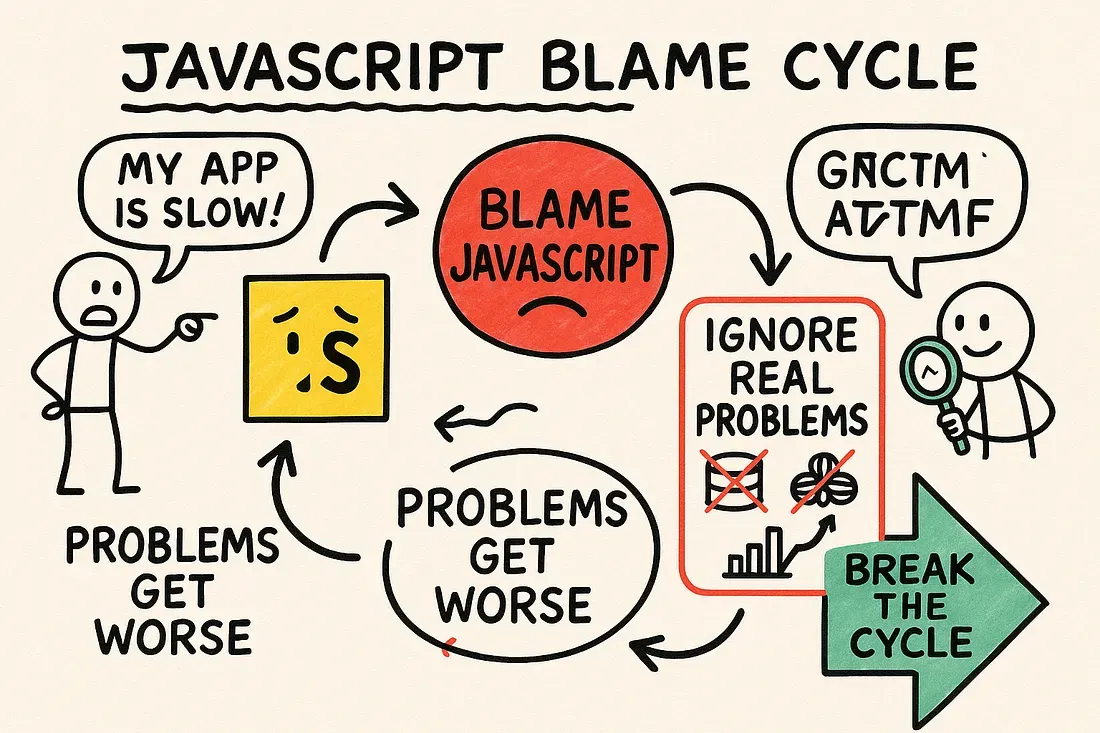
If JavaScript Is So Powerful, Why Is the Web Still Slow and Broken?
If JavaScript Is So Powerful, Why Is the Web Still Slow and Broken?
JavaScript is everywhere.
It runs in browsers. On servers. On phones. In desktop apps. Even in databases and edge networks. We’re constantly told it’s the most powerful, versatile, unavoidable language in tech.
So here’s the uncomfortable question no one likes to answer:
If JavaScript is so powerful… why does the web still feel slow, bloated, and broken?
Pages stutter. Interfaces freeze. Basic websites ship megabytes of scripts. Simple clicks trigger full re-renders. And somehow, this is all considered “modern.”
Let’s talk about what actually went wrong.
JavaScript Didn’t Break the Web — We Did
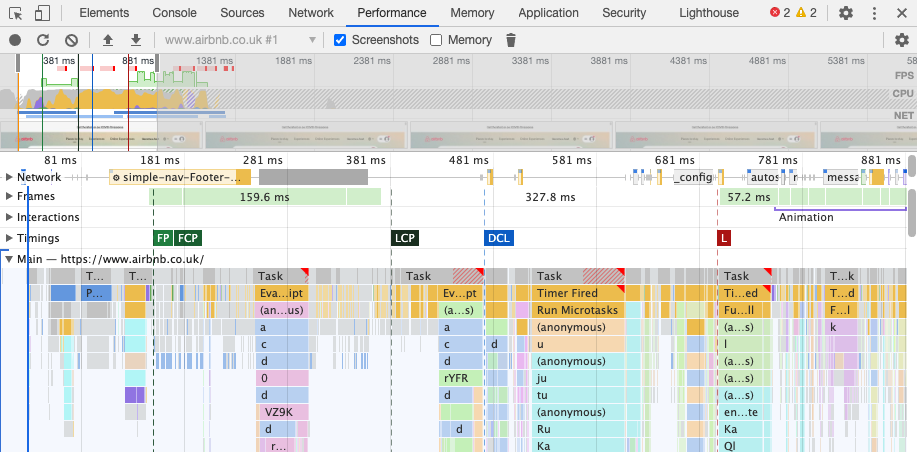

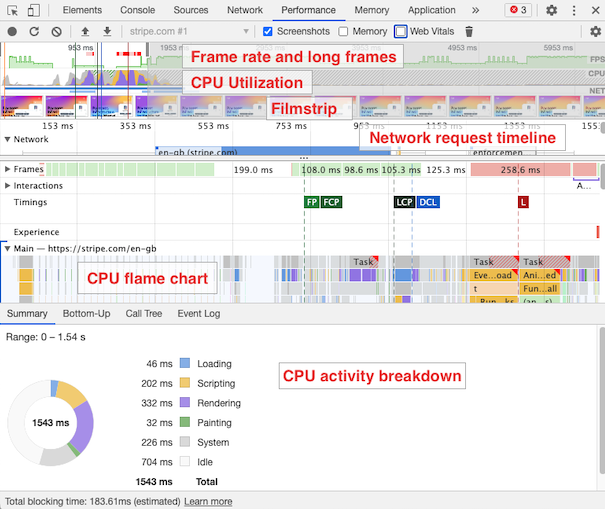
JavaScript itself isn’t the villain.
In isolation, it’s fast, expressive, and absurdly capable.
The problem is how we use it.
Over the years, JavaScript evolved from a lightweight scripting language into the foundation of entire application platforms. And instead of adapting responsibly, the industry leaned into excess.
We stopped asking:
-
Do we need this?
-
Should this run on the client?
-
What happens on low-end devices?
And started asking:
-
Can we ship faster?
-
Can we abstract more?
-
Can we add another library?
Power without discipline doesn’t create elegance.
It creates chaos.
Frameworks: Productivity at the Cost of Performance

Modern JavaScript frameworks solved real problems:
-
State management
-
UI consistency
-
Developer productivity
-
Team scalability
But they also normalized something dangerous:
Shipping entire application runtimes for simple websites.
Today, a “Hello World” often includes:
-
A virtual DOM
-
A build step
-
A dependency tree thousands of packages deep
-
Polyfills for browsers users don’t even use
Frameworks didn’t make the web slow by default—but they made it easy to ignore performance.
Abstraction hides cost.
Until users pay it.
The Browser Is Doing Too Much Work
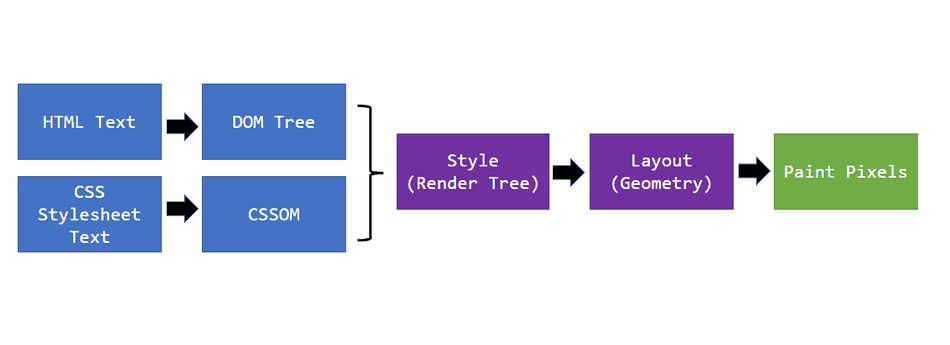

Modern websites ask browsers to:
-
Parse massive JavaScript bundles
-
Execute complex hydration logic
-
Rebuild UI trees repeatedly
-
Manage memory like an operating system
All on a single main thread.
So when something blocks—everything blocks.
Scrolling lags. Inputs delay. Animations stutter.
Not because the browser is weak—but because we overloaded it.
JavaScript didn’t just become powerful.
It became over-responsible.
Client-Side Everything Was a Mistake


At some point, the industry decided:
“Let’s move everything to the client.”
Rendering. Routing. Validation. State. Logic.
All shipped as JavaScript.
The result?
-
Blank screens while JS loads
-
Content invisible without scripts
-
SEO hacks instead of fundamentals
-
Complex hydration pipelines
We optimized for developer experience—
and sacrificed user experience.
Ironically, we’re now rushing back to:
-
Server-side rendering
-
Streaming HTML
-
Partial hydration
-
Islands architecture
Which is just the web… rediscovering itself.
JavaScript Enabled Laziness, Not Just Power


Here’s the part no one wants to admit:
JavaScript’s flexibility lets bad decisions survive.
You can:
-
Patch instead of refactor
-
Ship hacks instead of designs
-
Depend on libraries instead of understanding fundamentals
And it will still work—
until it doesn’t.
When performance collapses, the blame goes to:
-
Browsers
-
Users’ devices
-
Networks
Rarely to architecture.
The Web Isn’t Slow — It’s Overengineered


The fastest websites today aren’t miracles.
They’re simple.
-
Minimal JavaScript
-
HTML that actually renders content
-
CSS that doesn’t fight layout engines
-
Logic where it belongs
When you remove unnecessary JavaScript, the web feels fast again—almost suspiciously fast.
Which tells us something important:
JavaScript didn’t fail. Restraint did.
So Why Is the Web Still Broken?
Because:
-
We rewarded shipping speed over quality
-
We celebrated complexity as sophistication
-
We confused tooling with progress
-
We treated users as benchmarks, not humans
JavaScript gave us power.
We used it to build castles on sand.
The Real Question We Should Be Asking
Not:
“Is JavaScript powerful?”
But:
“Why do we keep using powerful tools irresponsibly?”
A skilled developer can build a fast, resilient web app with JavaScript.
An undisciplined one can destroy performance with any language.
Final Thought
The web isn’t slow because JavaScript is bad.
The web is slow because:
-
We forgot what it was designed for
-
We optimized for ourselves instead of users
-
We mistook abstraction for intelligence
JavaScript is powerful.
Now it’s time we learned how to use it like adults.
And if this article annoyed you—
good.
That means you’re exactly the kind of developer who should be thinking about it. 🔥
Frequently Asked Questions
Is this guide beginner friendly?
Yes. This tutorial is written step-by-step for beginners.
Does this work in 2026?
Yes. This article is updated regularly with latest changes.
Where can I learn more?
Browse more tutorials on LoopGuy.





Comments (0)
No comments yet. Be the first to comment!
Leave a Comment