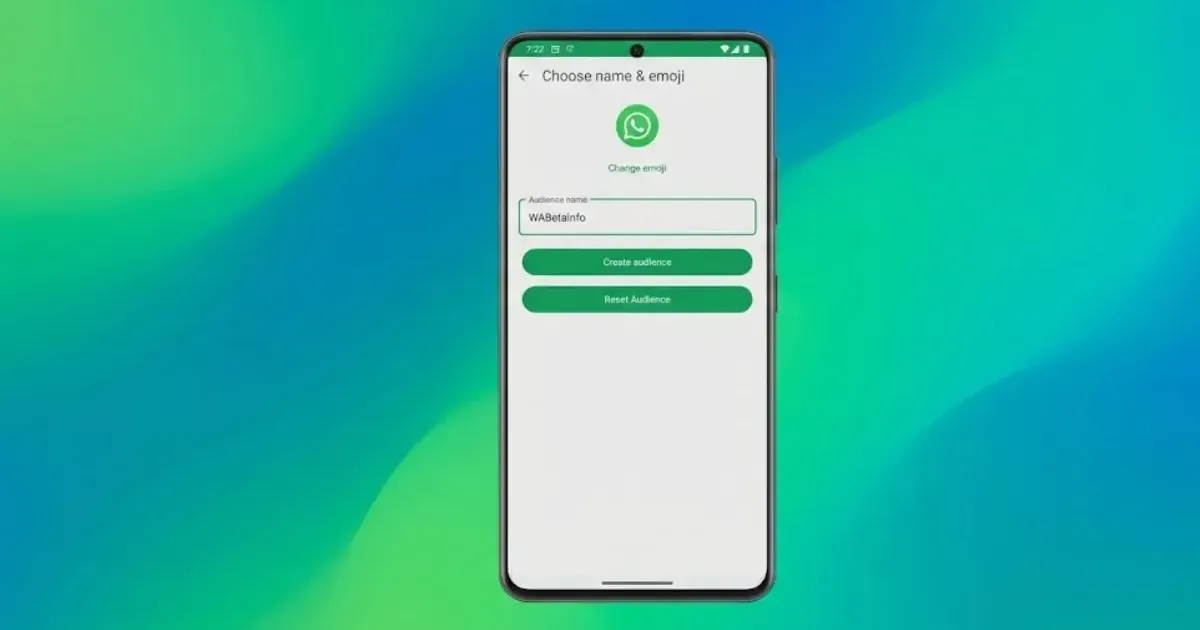
Unlock Targeted Marketing: Your Guide to WhatsApp Custom Audience Lists
What are WhatsApp Custom Audience Lists?
In the ever-evolving landscape of digital marketing, reaching the right audience with the right message is paramount. While platforms like Facebook and Instagram have long offered sophisticated audience segmentation tools, WhatsApp, the world's most popular messaging app, is now unlocking similar powerful capabilities. WhatsApp Custom Audience Lists are essentially curated groups of your existing contacts or potential customers that you can specifically target with your marketing messages. These lists are built by segmenting your WhatsApp contacts based on various criteria, allowing for highly personalized and relevant communication.
Think of it as moving beyond a generic broadcast to a conversation tailored to individual needs and interests. Instead of sending the same promotion to everyone, you can now identify segments of your audience who are more likely to be interested in a specific product, service, or offer. This precision dramatically increases the effectiveness of your marketing efforts, reducing wasted ad spend and improving customer engagement.
The foundation of WhatsApp Custom Audience Lists lies in the data you have about your customers. This can include purchase history, engagement with previous campaigns, demographic information (if collected ethically and with consent), or even their expressed interests. By intelligently segmenting this data, you can create distinct audience lists that are primed for specific marketing actions.
Why Use WhatsApp Custom Audience Lists? The Power of Personalization
The primary driver behind the adoption of WhatsApp Custom Audience Lists is the undeniable power of personalization. Generic marketing messages are increasingly ignored in a crowded digital space. Consumers expect brands to understand their needs and preferences, and WhatsApp's messaging format provides an intimate channel to deliver this personalized experience.
Here's why this approach is so effective:
- Increased Engagement Rates: When a message is relevant to the recipient, they are far more likely to open it, read it, and interact with it. This leads to higher open rates, click-through rates, and overall engagement with your brand.
- Improved Conversion Rates: By targeting individuals with offers that align with their demonstrated interests or past behavior, you significantly increase the likelihood of them making a purchase or taking a desired action.
- Enhanced Customer Loyalty: Personalized communication makes customers feel valued and understood. This fosters stronger relationships, builds trust, and ultimately contributes to increased customer loyalty and repeat business.
- Reduced Marketing Waste: Sending messages to uninterested individuals is a waste of resources. Custom audiences ensure that your marketing budget is spent efficiently, reaching only those most likely to convert.
- Deeper Customer Insights: The process of creating and refining custom audience lists often leads to a deeper understanding of your customer base. You'll gain valuable insights into what segments respond best to which types of messaging, informing future marketing strategies.
- Nurturing Leads Effectively: For businesses that generate leads through various channels, WhatsApp Custom Audience Lists are invaluable for nurturing those prospects. You can send targeted follow-ups, share relevant content, and answer questions in a timely and personalized manner, guiding them through the sales funnel.
Ultimately, WhatsApp Custom Audience Lists transform your marketing from a shotgun approach to a sniper-like precision, ensuring every message hits its mark.
How to Create and Utilize WhatsApp Custom Audience Lists
Creating and utilizing WhatsApp Custom Audience Lists typically involves a few key steps, often integrated with other marketing tools or platforms that manage your customer data. While direct list creation within the standard WhatsApp app is limited, businesses using WhatsApp Business API or integrated CRM systems have robust options.
Here's a general outline of the process:
- Data Collection and Management: The first step is to have a system for collecting and managing your customer data. This could be through your website, CRM, point-of-sale system, or previous marketing campaigns. Ensure you have explicit consent to contact individuals via WhatsApp for marketing purposes.
- Segmentation Criteria: Define the criteria you will use to segment your audience. Common segmentation strategies include:
- Demographics: Age, location, gender (if collected and relevant).
- Purchase History: Recent buyers, high-value customers, customers who purchased specific products.
- Engagement Level: Customers who have interacted with your brand recently, those who haven't engaged in a while.
- Interests: Based on past interactions, survey responses, or expressed preferences.
- Lead Source: Where the contact originated from (e.g., website form, event).
- List Creation: Based on your chosen criteria, you'll create specific lists. For example, you might create a list of 'Recent Purchasers of Product X' or 'Leads interested in Service Y'. This is often done within your CRM or a dedicated marketing automation platform that integrates with WhatsApp.
- Campaign Planning: Once your lists are created, plan your marketing campaigns. What is the goal of this campaign? What message will resonate best with this specific audience? What offer or call to action will be most effective?
- Message Crafting: Write compelling and personalized messages tailored to each custom audience list. Use the insights you have about the segment to make the message highly relevant.
- Sending Messages: Utilize your WhatsApp Business API solution or integrated platform to send your targeted messages to the respective custom audience lists.
- Analysis and Iteration: After sending your campaign, analyze the results. Track open rates, click-through rates, conversions, and any other relevant metrics. Use this data to refine your segmentation strategies and improve future campaigns.
Remember, compliance with data privacy regulations (like GDPR or CCPA) is crucial. Always ensure you have the necessary consent to communicate with individuals via WhatsApp.
Best Practices for WhatsApp Custom Audience Lists
To truly maximize the impact of your WhatsApp Custom Audience Lists, adhering to certain best practices is essential. These guidelines will help you build trust, maintain engagement, and achieve your marketing objectives without alienating your audience.
- Prioritize Consent and Opt-In: This cannot be stressed enough. Always obtain explicit consent from users before adding them to any marketing list and sending them promotional messages. Make opting out easy and accessible.
- Segment Wisely and Frequently: Don't create static lists. Your audience is dynamic. Regularly review and update your segmentation based on new data and evolving customer behavior. Micro-segmentation can yield even better results.
- Personalize Beyond Names: While using a customer's name is a good start, true personalization goes deeper. Reference their past purchases, acknowledge their expressed interests, or offer solutions to problems they've indicated they have.
- Provide Value, Don't Just Sell: Your messages should offer value. This could be exclusive discounts, early access to new products, helpful tips, or informative content. Avoid constant sales pitches.
- Keep it Concise and Clear: WhatsApp is a messaging platform. Get to the point quickly. Use clear, concise language and a strong call to action.
- Use Rich Media Thoughtfully: Images, videos, and GIFs can enhance engagement, but use them strategically. Ensure they are relevant to the message and audience, and don't overload the message.
- Test and Optimize: A/B test different message variations, offers, and calls to action for your custom audiences. Continuously analyze what works best and iterate your strategy.
- Respect Response Times: If customers reply to your messages, aim to respond promptly. This is a conversational platform, and quick responses build trust and satisfaction.
- Avoid Over-Messaging: Bombarding your audience with too many messages, even if they are personalized, can lead to opt-outs and dissatisfaction. Find the right frequency for each segment.
- Integrate with Your CRM: Seamless integration with your Customer Relationship Management (CRM) system is key for efficient data management, segmentation, and campaign execution.
By implementing these best practices, you can transform your WhatsApp marketing from a mere communication channel into a powerful engine for driving business growth and building lasting customer relationships.
In conclusion, WhatsApp Custom Audience Lists represent a significant leap forward for businesses looking to engage their customers on a more personal and effective level. By understanding your audience and leveraging the power of segmentation, you can deliver highly relevant messages that drive engagement, conversions, and loyalty.
Frequently Asked Questions
Is this guide beginner friendly?
Yes. This tutorial is written step-by-step for beginners.
Does this work in 2026?
Yes. This article is updated regularly with latest changes.
Where can I learn more?
Browse more tutorials on LoopGuy.



Comments (0)
No comments yet. Be the first to comment!
Leave a Comment